Who Are the 2026 Top Pallet Racking Manufacturers in China?
China’s warehouse sector is entering 2026 with stronger demand for dense, automated, and adaptable storage. The China Federation of Logistics and Purchasing reported that China’s total social logistics value reached approximately RMB 360.6 trillion in 2024. It also recorded a logistics-cost-to-GDP ratio of about 14.1%. These figures show why storage efficiency remains a serious industrial concern.
Pallet Racking Manufacturers in China now serve more than traditional warehouses. Their systems support cold storage, e-commerce fulfillment, automotive plants, and automated distribution centers. Industry reports from Grand View Research and IMARC Group indicate continued global growth in the warehouse racking market. However, their market estimates differ because product categories and regional definitions are not identical. That limitation matters.
This article examines the leading Chinese manufacturers expected to attract attention in 2026. The evaluation considers engineering capability, steel quality, load testing, automation compatibility, project experience, export performance, and after-sales support. Certifications alone are not enough. A strong supplier should provide traceable material information, clear drawings, installation guidance, and realistic load data. Small details matter, such as beam connectors fitting correctly after repeated adjustments.
Names can impress.
Yet rankings are never absolute. A large manufacturer may offer broad capacity but weaker customization. A smaller specialist may deliver better communication and faster technical revisions. Buyer reviews, completed projects, factory audits, and independent testing should therefore support every claim. The final selection reflects available industry evidence, not promotional language. Readers should still verify current certifications, production capacity, and regional service coverage before choosing a supplier.
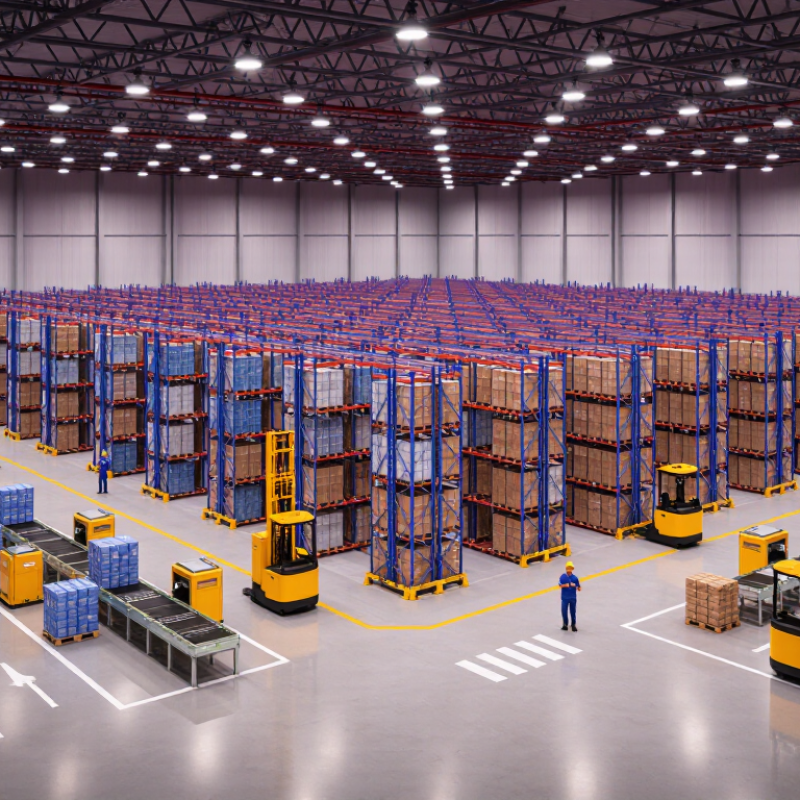
What Defines a Top Pallet Racking Manufacturer in China in 2026?
A top pallet racking manufacturer in China in 2026 must prove more than production capacity. The China Federation of Logistics and Purchasing reported that China’s social logistics value reached 360.6 trillion yuan in 2024, rising 5.8% year on year. This growth increases pressure on storage density, safety, and order accuracy. A credible manufacturer should provide load calculations, steel traceability, welding records, and independent testing documents. Catalog claims are not enough.
MHI’s 2024 Annual Industry Report identifies labor shortages and automation investment as major supply-chain concerns. Therefore, leading manufacturers should design racks that support forklifts, conveyors, shuttles, and warehouse software interfaces. Practical details matter. Beam locks should remain visible during inspections. Uprights need clear identification plates. Installation teams should measure floor flatness before anchoring. These small controls often reveal real experience.
Reliability also depends on after-sales discipline. A capable supplier offers installation guidance, inspection schedules, spare-part availability, and documented response times. It should explain corrosion protection by environment, not simply promise “heavy duty.” Factory audits should examine bending equipment, coating thickness, weld consistency, and final load testing. No manufacturer is perfect. Even experienced producers can overlook site-specific risks, especially during rapid automation projects. Buyers should compare evidence, not polished photographs. A top manufacturer earns trust through repeatable engineering, transparent limitations, and performance that remains stable after installation.
Key Criteria for Evaluating Chinese Pallet Racking Manufacturers
Who Are the 2026 Top Pallet Racking Manufacturers in China?
Evaluating Chinese pallet racking manufacturers requires more than comparing quotations. The 2024 MHI Annual Industry Report identifies labor shortages, warehouse complexity, and technology investment as major supply chain pressures. A capable manufacturer should therefore provide tested designs, accurate documentation, and practical installation support. Ask for load calculations, steel grades, welding procedures, surface-treatment records, and inspection reports. Do not accept vague certificates.
Safety comes first.
Check whether the supplier designs for your building’s floor capacity, seismic conditions, forklift movement, and pallet dimensions. Request independent load testing and traceable material records. The China Federation of Logistics and Purchasing reported continued growth in China’s logistics activity during 2024, increasing pressure on storage density and handling efficiency. This makes aisle width, beam deflection, rack protection, and future expansion important evaluation points.
Factory experience also matters. Visit the production site, inspect automated forming lines, and review quality-control checkpoints. Ask how rejected components are isolated. Ask who manages warranty claims. Delivery records, spare-part availability, and engineer response times can reveal more than polished brochures. Total cost should include transport, installation, inspection, maintenance, and replacement risks. A low initial price may hide thin coatings or inconsistent dimensions. That mistake is expensive. Still, supplier rankings can be imperfect because public data rarely compares every Chinese manufacturer under identical conditions. Use audited evidence, recent project references, and a physical sample before making a 2026 shortlist.
Key Criteria for Evaluating 2026 Chinese Pallet Racking Manufacturers
Procurement-weighted evaluation framework based on safety, engineering, quality, delivery, and lifecycle considerations
The percentages represent recommended evaluation weights for comparing pallet racking suppliers. Structural safety and compliance receive the highest weighting because rack systems must be engineered for load capacity, stability, seismic conditions, and applicable warehouse safety requirements. The framework does not rank or disclose individual company performance.
Leading Chinese Pallet Racking Manufacturers and Their Core Strengths
China’s leading pallet racking manufacturers are competing through engineering depth, not only low production costs. The 2024 MHI Annual Industry Report found that 55% of supply chain professionals expected higher investment in innovation over the next two years. This trend supports manufacturers that combine structural design, warehouse software interfaces, and automation-ready layouts.
Strong suppliers usually provide load calculations, seismic considerations, and installation guidance before fabrication. They also test beam connections, upright tolerances, and surface coatings.
Many factories align their quality systems with ISO 9001 and design practices with EN 15635 or FEM guidance. These details matter when racks hold dense pallets several metres above the floor. Small errors become expensive quickly.
Another strength is manufacturing flexibility. Chinese factories can often produce selective racks, drive-in systems, carton flow racks, and adjustable configurations in one facility. According to Interact Analysis, warehouse automation investment continues to expand globally, increasing demand for racks that support conveyors and robotic storage. Yet customization is not always a guarantee of quality. Some suppliers still rely too heavily on standard drawings or unclear steel specifications. Buyers should request material certificates, welding records, load tables, and recent project references. Price helps, but traceable evidence helps more.
Product Standards, Customization, Safety, and Quality Control
In 2026, China’s leading pallet racking manufacturers are not defined by low quotes alone. Reliable suppliers show tested load data, traceable steel grades, and clear production records. Their systems should match recognized warehouse standards, including beam deflection limits, anchoring rules, and corrosion protection. Ask for drawings with bay width, upright profile, beam capacity, and floor conditions. A polished catalog is useful, but it is not proof.
Customization begins with the operation, not the sales conversation. A cold store may need galvanized components, narrow clearances, and impact-resistant finishes. An e-commerce warehouse may require adjustable levels, carton flow, or integrated safety barriers. Experienced engineers check forklift turning paths and uneven slabs before finalizing a layout. They also confirm whether fire protection and local building requirements affect rack spacing. Small errors become expensive during installation.
Safety depends on details workers can see and maintain. Look for column guards, locking pins, row spacers, load plaques, and inspection procedures. Quality control should include incoming steel checks, weld inspection, coating measurement, dimensional sampling, and final assembly review. Factory visits and independent testing add useful evidence. Still, no supplier is flawless. One overlooked tolerance can create trouble. Require corrective-action records, installation guidance, spare parts, and periodic inspections after handover. The strongest manufacturers accept questions and document uncomfortable findings.
