Choosing a strategic branding agency can shape how customers recognize, trust, and remember your business. The right partner does more than design a polished logo. It studies your market, listens to your customers, and connects every visual and verbal choice to a clear business goal.
A reliable agency should show relevant experience, not only impressive presentation slides. Ask how it handled a similar challenge, from customer research to brand launch. Review real case studies, measurable outcomes, and client feedback. A strong team can explain its process in plain language. It should also clarify timelines, responsibilities, revision limits, and expected costs before work begins. Small details matter here. Vague answers often become expensive surprises later.
These seven tips will help you assess strategy, industry knowledge, communication, and long-term fit. Look beyond awards. Examine who will actually work on your account, how decisions are tested, and whether the agency understands your internal limitations. You may discover that the most creative proposal is not the most practical one. That is worth admitting. A branding partner must respect evidence, challenge weak assumptions, and adapt when new customer insights appear. During conversations, notice whether the agency asks specific questions about your sales process, competitors, and customer experience. If it only talks about making your brand “stand out,” keep asking why. Clear thinking usually appears in the details. No agency is perfect. Your goal is a capable, transparent partner that can turn a thoughtful brand strategy into consistent experiences across every customer touchpoint.

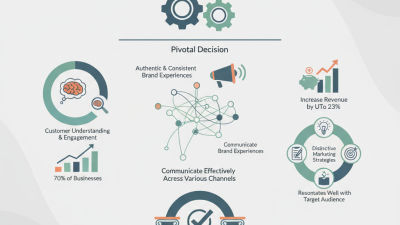
Before choosing a strategic branding agency, define what success means in numbers. A 2019 State of Brand Consistency report found that consistent brand presentation was associated with revenue increases of up to 23%. Treat that figure as a reported potential, not a promised result. Set a baseline for revenue, qualified leads, repeat purchases, and brand recognition. Then agree on a timeframe and a method for tracking each metric. A monthly dashboard is useful. So is an honest discussion about what the data cannot prove.
Tip: Ask agencies to connect brand work to measurable business outcomes. For example, track branded search growth alongside conversion rates, not impressions alone. A refreshed message may attract attention without improving sales. That gap matters.
Request a measurement plan before approving creative work. It should name the data sources, reporting schedule, and person responsible for each KPI. Test updated messaging on real customer touchpoints, such as a landing page or sales presentation, and compare results with a clear baseline. Keep room for revision: attribution can be messy, and early numbers may disappoint. That is not a reason to hide them. It is a reason to investigate what changed, gather customer feedback, and adjust the strategy before scaling.

Consistent brand presentation has been associated with a 23% average revenue increase. Use this benchmark as a directional KPI when evaluating a strategic branding agency.
Reference benchmark: 23% average revenue growth associated with consistent branding. Results vary by industry, execution quality, measurement period, and business conditions.
A strategic branding agency should prove its expertise, not merely describe it. Study case studies closely. Look for clear business problems, research methods, creative decisions, and measurable outcomes. Strong examples show how positioning changed customer behavior, improved recognition, or supported revenue growth. Vague claims are warning signs.
Tip: Ask for evidence.
Request performance data with context. A higher conversion rate may sound impressive, but ask about the starting point, campaign period, and measurement method. Reliable agencies explain what they controlled and what they could not control. Their reports should connect brand activity with practical results, such as qualified leads, repeat purchases, or shorter sales cycles. Numbers without explanation are weak evidence.
Industry fit matters, but it should not become a narrow filter. An agency familiar with your market may understand customer language, regulations, and buying habits. However, outside experience can bring useful perspective. Review whether the team has solved similar complexity, not only served similar companies. Speak with former clients when possible. Ask about communication, deadlines, revisions, and unexpected problems. Honest feedback may be less polished.
Tip: Test the working relationship.
A short discovery project can reveal how the agency thinks. Notice whether its questions are specific or generic. Pay attention to listening. I would also examine failed assumptions in past work, because every strategy has them. An agency that discusses learning openly may be more dependable than one presenting perfect results every time. Great branding requires creativity, evidence, and the discipline to adjust when customer responses challenge the original plan.
Use this practical evaluation rubric to compare agencies. The scores are for your assessment, not published industry benchmarks; verify all claims with project documentation and references.
| Tip | What to Assess | Evidence to Request | Relevant Measures | Scoring Guide |
|---|---|---|---|---|
| 1. Review relevant case studies | Look for projects with comparable business goals, audiences, scope, and constraints—not just polished visuals. | Case studies describing the brief, research, strategy, deliverables, timeline, and results. Ask what the agency itself contributed. | Audience research, positioning work, brand identity, messaging, implementation, and documented outcomes. | 1–5: Score how closely the evidence matches your needs. |
| 2. Test industry fit | Assess the agency’s understanding of your category, buying process, competitive landscape, and regulatory considerations. | Relevant work samples, a clear explanation of category-specific challenges, and references from comparable engagements where available. | Audience and stakeholder insight, category conventions, differentiation opportunities, and applicable compliance requirements. | 1–5: Score demonstrated understanding, not industry labels alone. |
| 3. Examine the strategy behind the work | Check whether creative recommendations follow from research and a defined business problem. | A sample strategy process showing discovery, analysis, positioning choices, rationale, and how strategy guides execution. | Research quality, clarity of positioning, audience relevance, distinctiveness, and alignment with business objectives. | 1–5: Score the strength and traceability of the reasoning. |
| 4. Ask how ROI will be evaluated | Expect a measurement plan that connects brand work to agreed business and marketing outcomes without promising unsupported results. | Baseline measures, proposed data sources, measurement timing, reporting responsibilities, and any stated assumptions. | Depending on the project: awareness, consideration, preference, qualified demand, conversion, retention, or customer research results. | 1–5: Score whether measures are relevant, measurable, and appropriately attributed. |
| 5. Verify the team and its expertise | Confirm who will do the work and whether the required skills are available throughout the engagement. | Named role descriptions, relevant work samples, project lead availability, and disclosure of subcontracted work. | Research, strategy, verbal identity, visual identity, digital design, implementation, and project management capabilities. | 1–5: Score the actual delivery team, not only the pitch team. |
| 6. Compare process, scope, and ownership | Make sure deliverables, approval steps, responsibilities, timelines, fees, and rights are clearly defined. | A written proposal and contract covering scope, milestones, revision process, expenses, intellectual property, and handover. | Defined deliverables, decision-makers, dependencies, change-control terms, usage rights, and post-launch support. | 1–5: Score completeness and clarity before work begins. |
| 7. Check references and working fit | Learn how the agency communicates, handles feedback, resolves challenges, and maintains momentum. | Client references, a discussion with the proposed project lead, and clear expectations for meetings and decision-making. | Responsiveness, collaboration, transparency, adaptability, and consistency between stated process and client experience. | 1–5: Score communication and partnership fit for your team. |
Compare Strategy, Research, and Positioning Methods Using 81% Trust Data
Choosing a strategic branding agency requires more than reviewing polished case studies. Start by asking how the team defines your commercial problem. The 2022 Edelman Trust Barometer Special Report found that 81% of respondents must trust a brand to do what is right. That figure makes trust a measurable strategy issue, not a decorative message. Ask whether the agency studies customer interviews, search behavior, sales objections, and category language. Request sample research questions, not only attractive charts.
Compare seven practical areas: business diagnosis, audience research, competitor analysis, positioning logic, proof-point selection, message testing, and implementation support. Strong agencies explain how evidence changes a decision. They should show which audiences were included and which were missed. The 2023 Nielsen Annual Marketing Report reported that marketers continue prioritizing measurement and return on investment, yet many still struggle to connect marketing activity with business outcomes. Ask for clear indicators, such as qualified inquiries, consideration, retention, or pricing confidence. Avoid vague promises of visibility.
Look for strategic experience, specialist knowledge, transparent methods, and accountable reporting. A useful workshop should leave a visible trail: notes, assumptions, rejected options, and next tests. Some agencies may overstate certainty. That deserves scrutiny. Positioning is not a crystal ball. Run a small validation exercise before approving a large engagement, and compare findings with internal sales evidence. An imperfect brief can still produce excellent work when the agency challenges it respectfully. Sometimes, that is the real test.
Evaluate how an agency connects creative systems across digital, social, and customer touchpoints. A strong partner should show one clear idea working across different environments. Ask to see campaign guidelines, interface examples, social templates, and service scripts. These materials reveal whether the agency builds systems or only attractive presentations. Look for consistent typography, tone, motion, and visual behavior. Small details matter.
Request evidence from real projects, including performance goals and production challenges. Reliable agencies explain what they measured, changed, and learned. They should connect creative choices with customer actions, such as form completions, store visits, or support requests. Ask who owns the system after launch. A useful agency provides editable tools, training, and practical governance. Not every answer needs to sound perfect.
Test the proposed process with a small working exercise. Give the team one customer scenario and ask for digital, social, and service responses. Notice whether the ideas feel related without becoming repetitive. Check how strategy, design, content, technology, and research collaborate. I have seen polished work fail when internal teams could not use it quickly. That risk deserves direct discussion. Request timelines, review stages, accessibility checks, and approval responsibilities. Also ask how the agency handles conflicting feedback. The answer may expose more than the portfolio. Short-term appeal fades quickly. A strategic branding agency should make the experience clearer, more useful, and easier to manage across every customer interaction.
When choosing a strategic branding agency, assess the commercial model before admiring the creative work. Ask for a line-item fee covering research, workshops, identity, rollout support, and measurement. Separate fixed costs from hourly work and clarify revision limits. A low initial quote can become expensive when assumptions remain vague. Request two scenarios: a focused launch and a broader system. This reveals whether the agency understands trade-offs. Good agencies explain pricing in plain language. That matters.
Test the proposed timeline against real decisions. Strong plans show discovery, stakeholder interviews, concept reviews, testing, approval gates, and production handoffs. Each milestone needs an owner, date, and definition of done. Ask what happens when feedback arrives late. Governance is equally important. Confirm who can approve strategy, who resolves disagreement, and how urgent changes are documented. In my experience, unclear authority causes more delay than difficult design. A weekly decision log and one accountable client lead can prevent quiet confusion. I have seen this fail when senior reviewers joined only at the final presentation.
Review whether the brand can grow beyond its first campaign. Ask for adaptable guidelines, editable templates, naming logic, accessibility standards, and rules for new markets or products. The system should help internal teams work without constant agency support. Request examples of maintenance plans, training, and future production costs. Evaluate measurement carefully, because awareness, consideration, adoption, and consistency require different signals. Do not accept impressive language without evidence. A limited pilot may expose weak collaboration before a major commitment. Less glamorous, but often wiser.