How to Find the Best Oak Veneer Wood Supplier in China?
Choosing the right Oak Veneer Wood supplier in China requires more than comparing catalogue prices. It demands evidence, technical questions, and careful observation. The FAO Global Forest Resources Assessment 2020 reports that forests cover about 31% of the world’s land area. It also records continued forest loss, despite a slower global deforestation rate. Responsible sourcing therefore matters at every stage.
A reliable supplier should explain the oak species, growing region, veneer thickness, moisture content, grading rules, and adhesive system. Ask for chain-of-custody documents, not vague sustainability claims. The Forest Stewardship Council reported over 160 million hectares of certified forest worldwide in 2023, showing that traceability can be measured. Still, certification alone does not guarantee consistent color or slicing quality.
Mass-timber specialist Michael Green has said, “Wood is the only major building material that grows.” That principle also applies to veneer. Each leaf can show different cathedral patterns, knots, ray flecks, or tonal shifts. Request physical samples. Place them beside your target cabinet or wall panel. Use a moisture meter. Check the backer, splicing, sanding, and edge stability under real light.
The best supplier welcomes factory audits, pre-shipment inspections, and small trial orders. Look for clear responses, stable lead times, and corrective-action records. A perfect checklist does not exist. I may still miss a hidden variable, such as seasonal log variation or changing glue performance. That is why this guide treats supplier selection as an evidence-based process, not a simple online purchase.
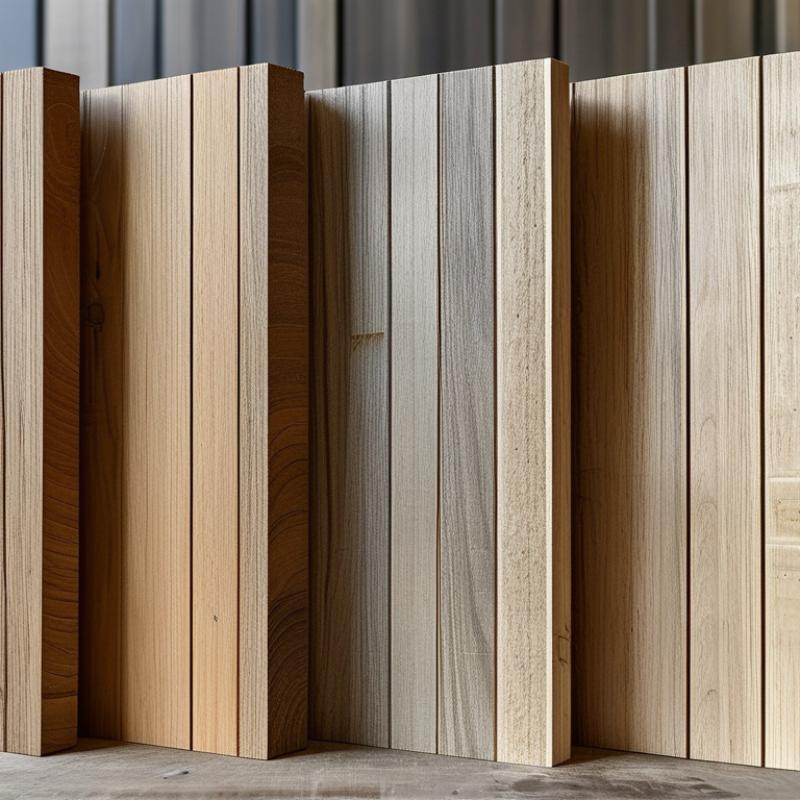
Define Oak Veneer Specs: 0.5–0.6 mm Thickness and 8–12% Moisture
How to Find the Best Oak Veneer Wood Supplier in China?
Oak veneer specifications should be fixed before comparing Chinese suppliers. Request a consistent thickness of 0.5–0.6 mm, measured at several points across each sheet. A single reading is not enough. Veneer that varies by 0.1 mm may create visible sanding differences and weak glue lines. Keep moisture between 8–12% for interior furniture applications. This range reduces excessive shrinking, swelling, and bonding problems. However, the final target should match your factory climate and adhesive system.
The FAO Global Forest Products Facts and Figures 2022 reported 388 million cubic metres of global wood-based panel production. This scale increases material choices, but it also makes quality screening essential. Ask suppliers for batch records, species identification, and moisture test results. Use a calibrated meter during receiving inspection. For disputed results, verify samples through an oven-dry method aligned with ISO 13061-1. Also check grain direction, core gaps, repaired knots, and sheet flatness under natural light. A perfect-looking sheet can still fail after pressing.
Tips: Request three random samples from each production batch. Measure thickness at the center and four corners. Record moisture readings immediately after opening the package. Ask for kiln-drying details, not only a certificate. If the supplier refuses independent testing, reconsider the order. My own practical concern is simple: 8–12% may look precise, yet uneven drying inside a bundle can remain unnoticed. Small tests prevent expensive surprises.
Verify Oak Species and FSC Chain of Custody Before Sampling
How to Find the Best Oak Veneer Wood Supplier in China?
Before requesting samples, verify the oak species and FSC Chain of Custody. “Oak” may describe several Quercus species with different grain, color, density, and durability. Ask for the botanical name, growing region, veneer cutting method, thickness tolerance, and moisture range. A reliable supplier should provide clear answers, not only attractive product photos. Check whether the FSC certificate is current, covers the correct company, and includes the relevant veneer product category. The FSC database is useful for independent verification.
A certificate alone is not enough. Request supporting delivery documents showing the FSC claim and certificate code. Confirm that the legal entity on the documents matches the factory or trading company you will audit. During a factory visit, compare log storage, peeling equipment, drying records, and labeling practices. Small details matter. Mixed species in one bundle can create serious production problems.
Sampling should test more than appearance. Measure veneer thickness at several points, inspect the face for mineral streaks and open knots, and check color consistency under daylight. Ask how the supplier controls defects after drying. An experienced buyer should also request repeat samples from different production batches. One perfect sample proves little. No inspection method is perfect, and paperwork can contain outdated information. That is why species confirmation, certificate verification, physical inspection, and batch records should support each other before a long-term order.
Audit Chinese Mills Against ISO 9001 and 40–60% Yield Benchmarks
Finding the best oak veneer wood supplier in China requires more than comparing price lists. An audit should begin at the mill, not inside a sales presentation. Ask for the ISO 9001 certificate, its scope, and the latest surveillance record. Check whether the system covers purchasing, production, inspection, and corrective action. Walk the grading area. Look for labeled logs, calibrated moisture meters, and batch records that follow veneer through pressing and packing. These details show whether quality control is practiced daily.
The 40–60% yield benchmark needs a clear definition. Yield may mean usable face veneer after peeling, drying, clipping, and grading. It should not include attractive sheets rejected later for cracks, color variation, or unstable moisture. Request yield reports from several recent oak lots. Compare log diameter, thickness, grade, and final usable square meters. An experienced auditor will sample the calculations against production tickets. Do not accept one excellent month as normal performance. Wood changes with season and source.
Reliability also appears in small responses. Can the mill explain a missed tolerance without blaming the operator? Are complaints logged, investigated, and closed with evidence? Ask to inspect rejected veneer and moisture readings before shipment. Photos help, but hands-on checks reveal more. I once trusted a polished report too quickly; the first shipment exposed uneven thickness. That mistake changed my audit checklist. Use independent pre-shipment inspection when the order carries tight visual or dimensional requirements. Clear records, realistic yields, and honest corrective action matter more than impressive promises.
Compare MOQ, Lead Times, and Incoterms with a Landed-Cost Model
How to Find the Best Oak Veneer Wood Supplier in China?
Choosing an oak veneer supplier requires more than comparing the factory price. A low quote may hide higher freight, packaging, inspection, or port charges. Build a landed-cost model for every supplier. Include veneer price, minimum order quantity, inland transport, export fees, ocean freight, insurance, import duty, and delivery to your warehouse. Ask suppliers to confirm whether prices use EXW, FOB, CIF, or DDP Incoterms. These terms can change your real cost significantly.
MOQ also affects cash flow and storage. One supplier may accept 100 sheets, while another requires a full container. Request samples from the same production batch used for quotation. Check thickness, grain matching, moisture, backing quality, and surface repairs. Record lead times for sampling, production, and shipment separately. A practical supplier should provide a written schedule and explain delays clearly. My early estimates have sometimes ignored port congestion. That mistake can damage a good margin.
Tips: Use a simple spreadsheet. Compare cost per usable square meter, not per sheet. Add a five to ten percent contingency for damage and currency changes. Confirm payment terms, inspection points, packing details, and claims procedures before ordering. Ask for recent production photos and references from comparable buyers. Reliability is shown through consistent documents, realistic promises, and quick answers—not polished quotations alone.
