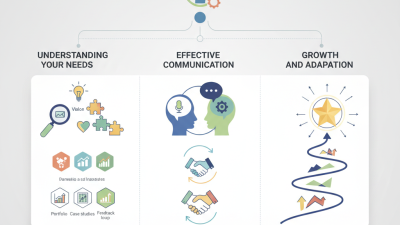
Choosing a top China branding design agency requires more than admiring attractive logos. A strong partner should understand your market, customers, industry, and growth plans. Their work should show clear thinking, not only visual polish. Review case studies carefully. Look for practical details, such as packaging changes, typography systems, retail applications, and measurable business results. Ask how the team conducted research and tested design decisions. Experience matters here. An agency familiar with Chinese consumers may notice regional preferences, language nuances, and cultural expectations that overseas teams can miss.
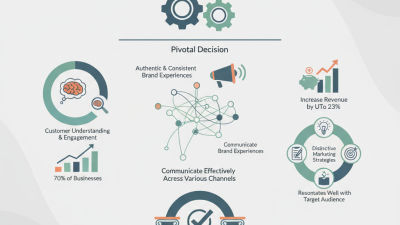
Trust should develop through evidence. Request a clear project scope, timeline, fee structure, revision process, and ownership terms. Meet the designers who will actually handle your account. Their questions often reveal more than their presentation slides. A reliable agency explains risks honestly and avoids promising instant market success. No agency is perfect. A polished portfolio can still hide weak communication or limited strategic depth. That deserves reflection. Compare several agencies, speak with former clients, and examine how they respond to criticism. The best choice may not be the most famous firm. It may be the team that listens closely, documents decisions, and connects creative work with business goals. Look beyond appearance. A suitable branding design agency should help your brand remain consistent across websites, stores, packaging, social media, and future campaigns. That consistency builds recognition over time. Still, judgment is personal. Your final decision should balance expertise, trust, budget, and cultural understanding.

Choosing a top China branding design agency begins with a clear definition of your goals. Decide whether you need market entry, a visual refresh, or stronger local recognition. Each goal requires different research, skills, and measures of success. “Better branding” is too vague. Set practical targets, such as improving qualified inquiries by 20 percent within six months.
Describe your audience in specific terms. Include location, age range, buying habits, language preferences, and business concerns. Explain where customers meet your company, from mobile screens to retail displays. Share your current logo, packaging, website, sales materials, and customer feedback. These details help an agency identify gaps instead of guessing. Ask for cultural research, competitor analysis, naming checks, and clear reasoning behind design decisions.
Your project brief should list deliverables, file formats, review stages, deadlines, and budget limits. Define who approves the work and how revisions will be handled. Request evidence of relevant experience, documented processes, and measurable results from past projects. Avoid choosing an agency only because its portfolio looks attractive. Visual style can hide weak strategy. I have seen teams overvalue polished presentations and underdefine ownership of final files. That mistake creates delays later. Leave room for testing, but do not make the scope endlessly flexible. A strong agency should challenge unclear assumptions respectfully and explain its recommendations in plain language. Your requirements may change after interviews or testing. Record those changes carefully.
| No. | Evaluation Dimension | Requirement to Define | Measurable Indicator | Recommended Project Target | Suggested Weight | Required Evidence |
|---|---|---|---|---|---|---|
| 1 | Business Objective | Clarify whether the project focuses on market entry, repositioning, awareness, trust building, lead generation, or customer retention. | One primary objective and up to three supporting objectives. | A written objective linked to a business outcome and a review date. | 15% | Project brief, business plan, stakeholder interviews. |
| 2 | Target Audience | Define priority customer segments, geographic markets, purchase roles, needs, barriers, and decision-making factors. | Audience personas, market locations, customer journey stages. | Two to five prioritized audience segments with documented insights. | 15% | Research reports, customer data, interview findings. |
| 3 | Brand Positioning | Specify the category, competitive difference, value proposition, brand promise, personality, and reasons to believe. | A concise positioning statement and three to five brand attributes. | Positioning approved by key decision-makers before visual design begins. | 15% | Positioning framework, competitor review, approval record. |
| 4 | Scope and Deliverables | List required services such as naming, strategy, logo design, visual identity, packaging, website design, guidelines, and templates. | Number of deliverables, asset types, formats, and usage channels. | A signed scope of work with inclusions, exclusions, and acceptance criteria. | 15% | Statement of work, deliverable checklist, file specification. |
| 5 | Cultural and Language Fit | Identify language, cultural, regulatory, and local communication requirements for every target market. | Number of languages, markets, scripts, and localization reviews. | All public-facing messages reviewed by qualified native-language or market specialists. | 10% | Localization plan, linguistic review, cultural risk checklist. |
| 6 | Timeline and Milestones | Set the launch date, internal review windows, dependencies, approval gates, and revision periods. | Number of phases, milestone dates, and turnaround time for approvals. | A milestone plan with named owners and no unresolved approval dependencies. | 10% | Project schedule, responsibility matrix, meeting plan. |
| 7 | Budget and Commercial Terms | Define the approved budget, payment stages, revision limits, production expenses, taxes, and optional services. | Total budget, payment schedule, included revision rounds, and change-order process. | Written quotation with transparent pricing and clearly separated optional costs. | 10% | Quotation, contract, payment schedule, change-order terms. |
| 8 | Team and Collaboration | Confirm the project lead, strategists, designers, developers, translators, decision-makers, and communication channels. | Named roles, response times, meeting frequency, and escalation path. | A dedicated project lead and documented communication workflow. | 5% | Team profiles, communication protocol, project governance plan. |
| 9 | File Delivery and Brand Governance | Define ownership, source files, color systems, typography, templates, usage rules, and future maintenance needs. | File formats, color spaces, guideline sections, and access permissions. | Editable source files plus a practical brand guideline and organized asset library. | 5% | Handover checklist, intellectual-property clause, brand guidelines. |
| Total Suggested Evaluation Weight | 100% | |||||
When choosing a China branding design agency, examine its market knowledge before admiring its visuals. The China Internet Network Information Center’s 55th Statistical Report recorded 1.123 billion internet users by December 2024, with internet penetration reaching 79.7%. This scale demands more than translated slogans. Ask whether the agency has tested messages with local consumers, studied regional language habits, and compared behavior across ecommerce, short-video, and community platforms.
Look for industry experience that produces measurable evidence. The National Bureau of Statistics reported RMB 13.08 trillion in online retail sales of physical goods in 2024. An experienced agency should connect brand design with search behavior, mobile conversion, packaging expectations, and customer service language. Request anonymized case data, research methods, revision records, and post-launch performance. Vague claims are not proof. Ask who conducted interviews, where they happened, and how many participants were included.
Visit the agency’s studio if possible. Review its briefing templates and consumer-testing process. A strong team can explain why a color, symbol, or product name fits a specific Chinese audience. It should also identify cultural risks before production. However, no agency understands every city or dialect perfectly. That matters. Encourage the team to challenge your assumptions, disclose uncertainty, and correct weak findings. Real expertise is visible in careful questions, local observation, and transparent limitations.
A strong portfolio should show more than attractive logos. Review how each visual system works across packaging, websites, signage, and mobile screens. Look for clear design decisions, not decorative effects. A reliable agency explains the problem, audience, research, and measurable result behind every project. Portfolio images can be polished. The reasoning matters more.
Case studies should reveal the working process. Check whether the agency studied local language, regional preferences, customer behavior, and category competition. A useful case study includes early sketches, rejected directions, testing feedback, and final applications. If every project looks flawless, stay cautious. Real creative work includes revisions and occasional misjudgments. Those details often show professional honesty.
Tips: Ask for a complete case study, not selected images. Request evidence of research methods and client feedback. Compare the agency’s stated method with its finished work. Does strategy visibly shape the colors, typography, and tone? Also, ask who will lead the project and how decisions are documented. A confident team should welcome specific questions. Do not choose quickly because the presentation feels impressive. A second review may expose weak assumptions.
Choosing a China branding design agency requires more than reviewing attractive portfolios. Compare the actual services behind each case study. Does the team provide naming, visual identity, packaging, digital assets, and brand guidelines? Ask for sample deliverables, not only polished images. A reliable agency should explain research methods, approval stages, file formats, and post-launch support.
Team expertise matters when your audience spans languages and regional preferences. Check who will attend weekly meetings. A senior strategist may sell the project, while junior staff handle daily decisions. Request short biographies and relevant project experience. Ask how the team tests translations, color meanings, typography, and mobile layouts. Details reveal competence. Do not assume fluency equals cultural insight.
Costs should be separated into research, creative development, production, revisions, and travel. A low quote may exclude photography, trademark checks, or final artwork. Get a payment schedule tied to measurable milestones. Timelines also need evidence. A credible proposal might allow two weeks for discovery, three for concepts, and several rounds for refinement. My early project estimates were often too optimistic; client feedback and internal approvals added days. Build a buffer. Please do. Compare revision limits, response times, and ownership of source files in writing. If an agency avoids clear answers, pause before signing.
How to Choose a Top China Branding Design Agency?
Communication standards reveal more than a polished portfolio. The CSA Research report found that 76% of online shoppers prefer product information in their own language. Ask how the agency handles Chinese copy, English adaptations, cultural nuance, and approval records. Require one project manager, weekly written updates, meeting minutes, and clear response times. Test this process with a small task. A flawless first meeting can still hide weak follow-up.
Legal terms deserve equal attention. WIPO reported 1.64 million patent applications in China in 2023, showing the scale of intellectual property activity. Your contract should define trademark searches, copyright ownership, source-file delivery, confidentiality, payment stages, revision limits, and permitted usage. Confirm whether your company receives editable files after final payment. Check governing law and dispute procedures with qualified counsel. Do not rely on verbal promises. They disappear quickly. Long-term support should include launch fixes, localization updates, file archiving, and a named contact. Define service levels, maintenance fees, and response windows. Some agencies promise unlimited support, but that phrase often lacks operational meaning. Ask for examples, not reassurance.
Objective legal and communication reference points to verify before signing a branding design agreement.
Use these reference points as part of your due diligence: confirm whether the agency can support a 72-hour GDPR breach-notification workflow where applicable, clarify trademark renewal terms, verify design-right protection periods, and document ownership and post-project support in the contract.
References: EU GDPR Article 33 · WIPO Berne Convention · China Trademark Law · China Patent Law